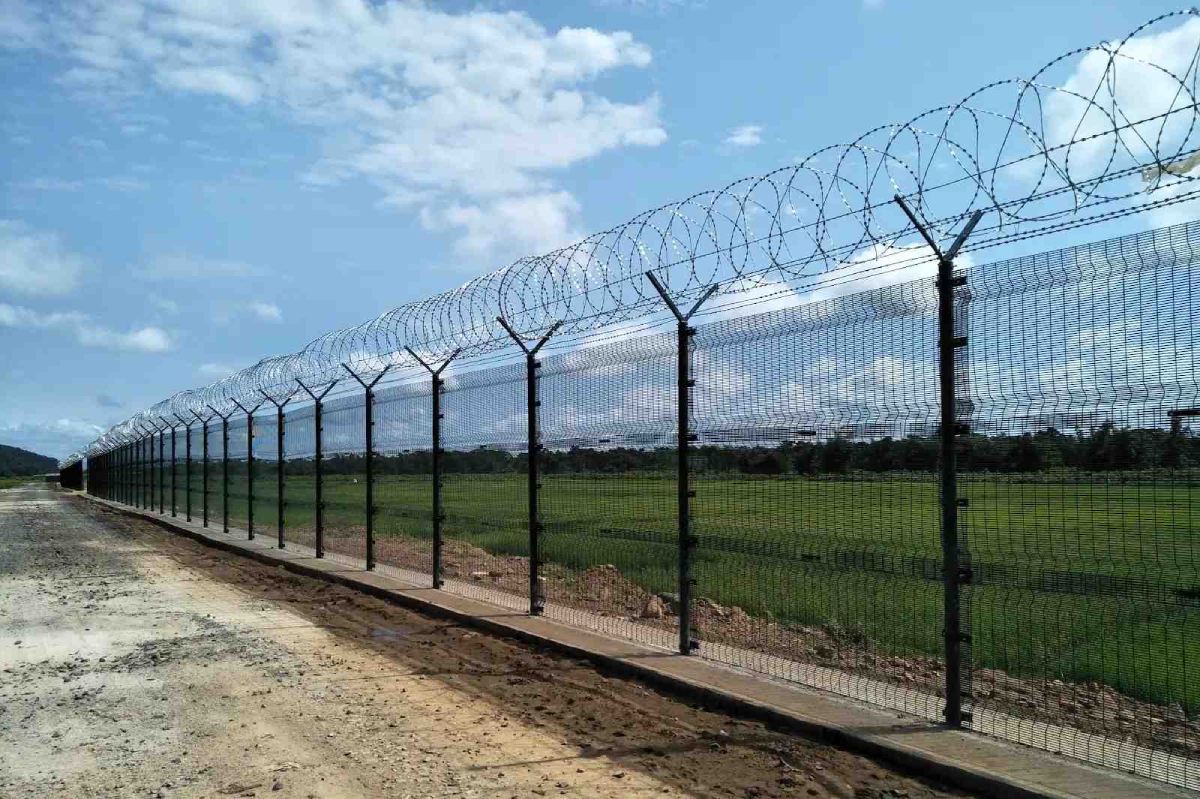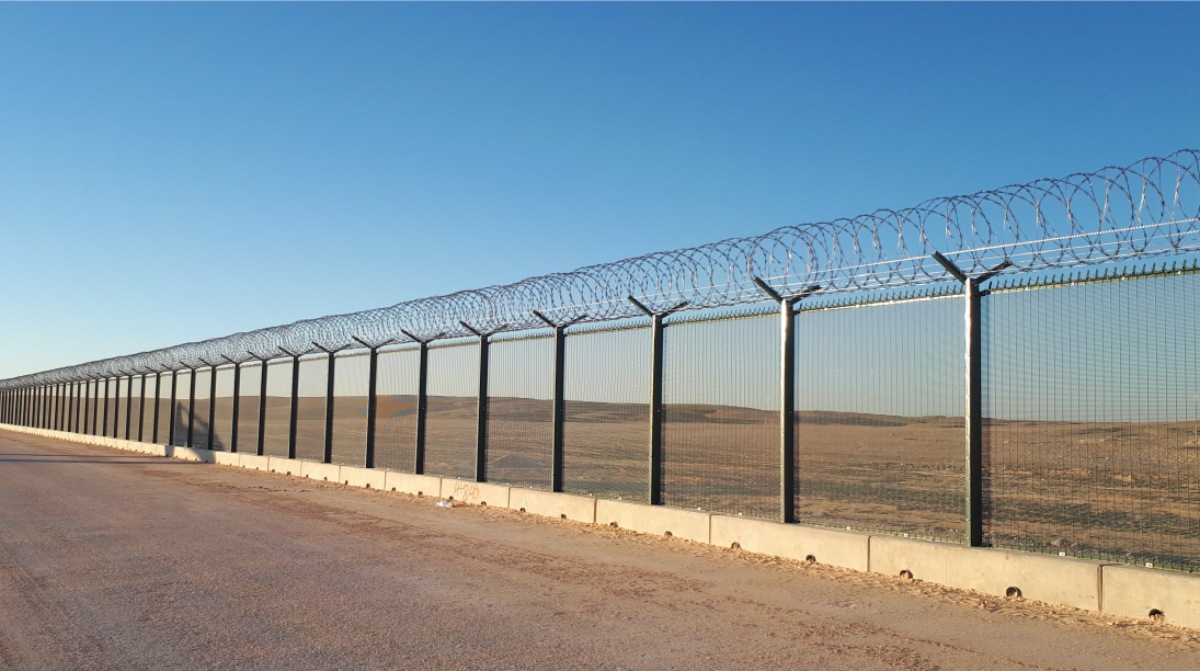
Decoding ASTM & LPS Ratings: A Simple Guide to Perimeter Security Fencing
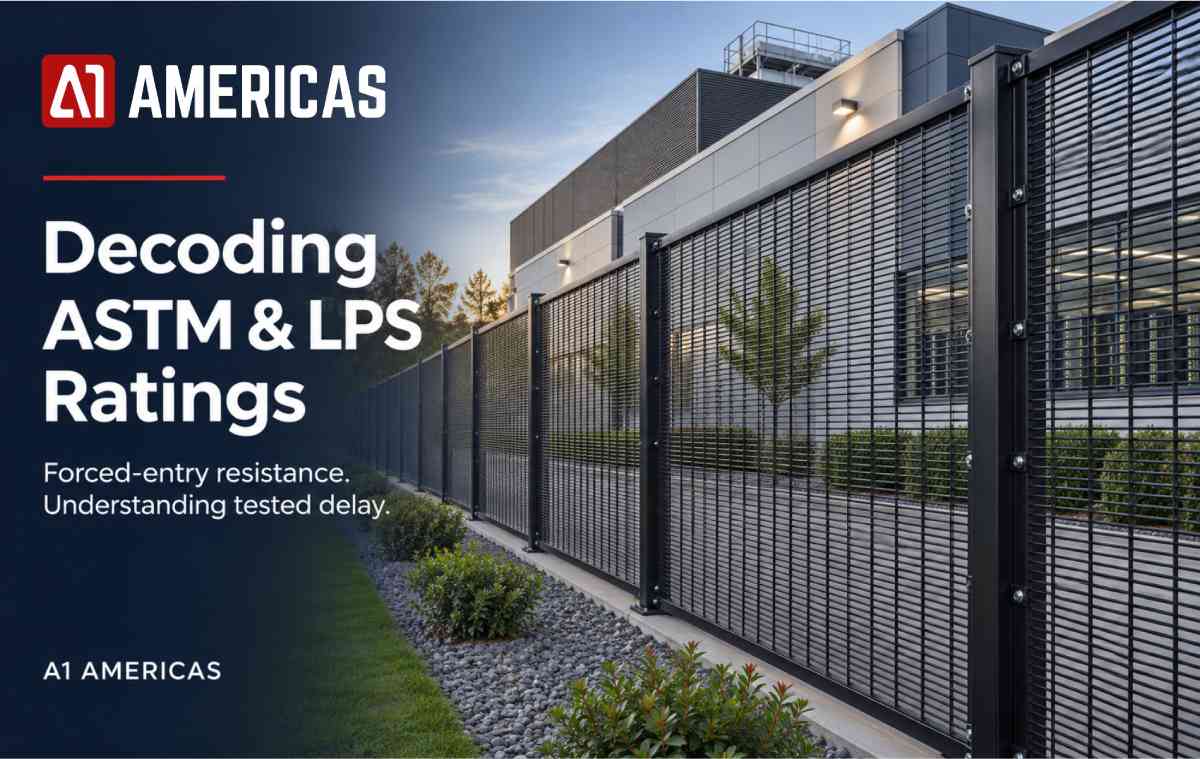
A perimeter breach can happen in seconds, leaving security teams little time to react. OSCE security guidance, citing its 2008 handbook, describes fence delays ranging from less than a minute against low-level threats to as little as 3–8 seconds against highly trained intruders. These figures illustrate the limitations of conventional fencing; they should not be applied to every fence or to independently tested, delay-rated systems.
The tools available to intruders have also changed. Security planning must account for portable powered equipment, including cordless grinders and reciprocating saws, alongside traditional hand tools. BRE notes that LPS 1175 has evolved to reflect the battery-powered and gasoline-powered tools available to attackers. This makes the tools and conditions behind a security rating just as important as the stated delay time.
For a data center, utility facility, or industrial site, a quick breach can expose critical equipment and disrupt operations before a response team reaches the perimeter. Understanding tested resistance helps owners choose protection around the threats their facility may face.
For a contractor, security consultant, or facility owner, the question is straightforward: Will this fence provide the protection the project needs?
Selecting a system without understanding its tested performance can leave a gap between what the project expects and what the installed fence can deliver. A fence may discourage climbing, yet have no documented delay performance against the tools considered in your security assessment.
That gap matters when protecting a data center, electrical substation, government property, or manufacturing facility. This guide explains ASTM F2781 and LPS 1175, shows how they relate to A1 Americas’ ArmorMesh products, and outlines what to check before specifying a system.
What is forced-entry resistance?
Forced-entry resistance describes how a security system withstands attempts to break through it. Testing evaluates performance against defined tools and attack conditions.
The purpose is to establish measurable resistance. No rating means a fence is impossible to breach under every circumstance. ASTM F2781 specifically recognizes the value of delaying entry and detecting an intrusion early enough to support a response.
This is why delay-rated fencing matters: it contributes time to the security plan. An experienced anti climb fence supplier should be able to explain how mesh configuration, structural design, and supporting security features contribute to the proposed protection level.
What does ASTM F2781 mean for security fencing?
ASTM F2781 is a standard practice covering forced-entry, ballistic, and low-impact testing of security fence systems. Its forced-entry provisions address low, medium, and aggressive threat levels.
When reviewing a forced-entry claim, look for the threat level, tested fence configuration, standard edition, and recorded result. A delay figure is only useful when you know the conditions behind it. When specifying perimeter security fencing, reviewing the applicable test standard and documented performance helps ensure the selected system meets the project's protection requirements.
Also, a forced-entry test does not automatically demonstrate ballistic or vehicle-impact performance. Those claims require their own supporting evidence.
How this relates to A1 ArmorMesh Level IV
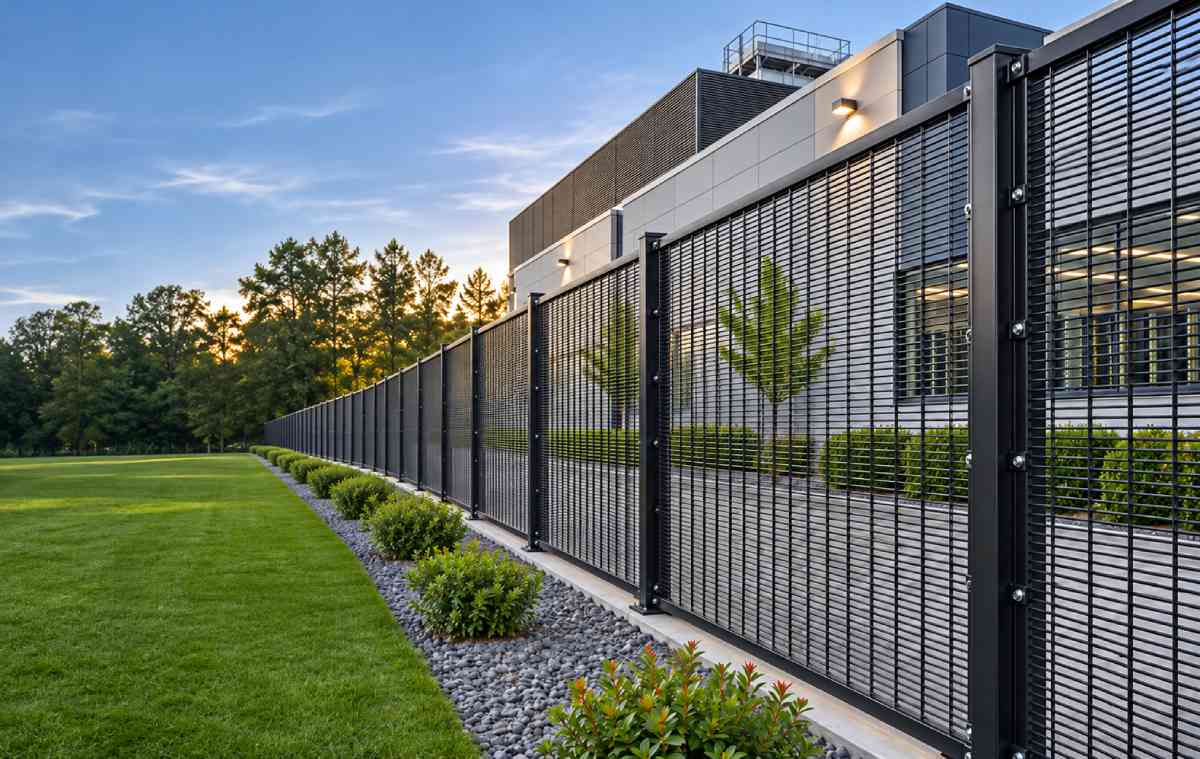
A1 Americas presents ArmorMesh Level IV as a delay-rated security fence tested in accordance with ASTM F2781-15. The system combines reinforced construction, security connections, and visibility for perimeter monitoring.
For a project requiring documented forced-entry resistance, Level IV provides an option to evaluate against the specified threat and response requirements.
What do LPS 1175 ratings mean?
LPS 1175 evaluates resistance to forced entry. Under its Issue 8 classification system, the rating has two parts:
- A letter identifying the threat category.
- A number identifying resistance time in minutes.
For example, B3 identifies Category B tools and three minutes of resistance under the prescribed testing conditions.
That time is active attack working time. Specified interruptions, such as tool changes and rest periods, are excluded. It should not be read as a guaranteed countdown for every real-world incident.
How this relates to ArmorMesh SR1 and SR2
A1 Americas offers two products specifically positioned around LPS 1175 certification:
| Product | Published security focus |
|---|---|
| A1 ArmorMesh SR1 | Certified resistance to opportunistic intrusion using basic hand tools |
| A1 ArmorMesh SR2 | Certified resistance to more determined intrusion |
These systems combine anti-climb mesh, security fixings, and visibility. The certificate should confirm the exact rating, standard issue, and configurations covered. For facilities requiring additional climbing resistance, anti climb fencing should be evaluated alongside the tested forced-entry performance and fixing specifications.
Is anti-climb fencing the same as delay-rated fencing?
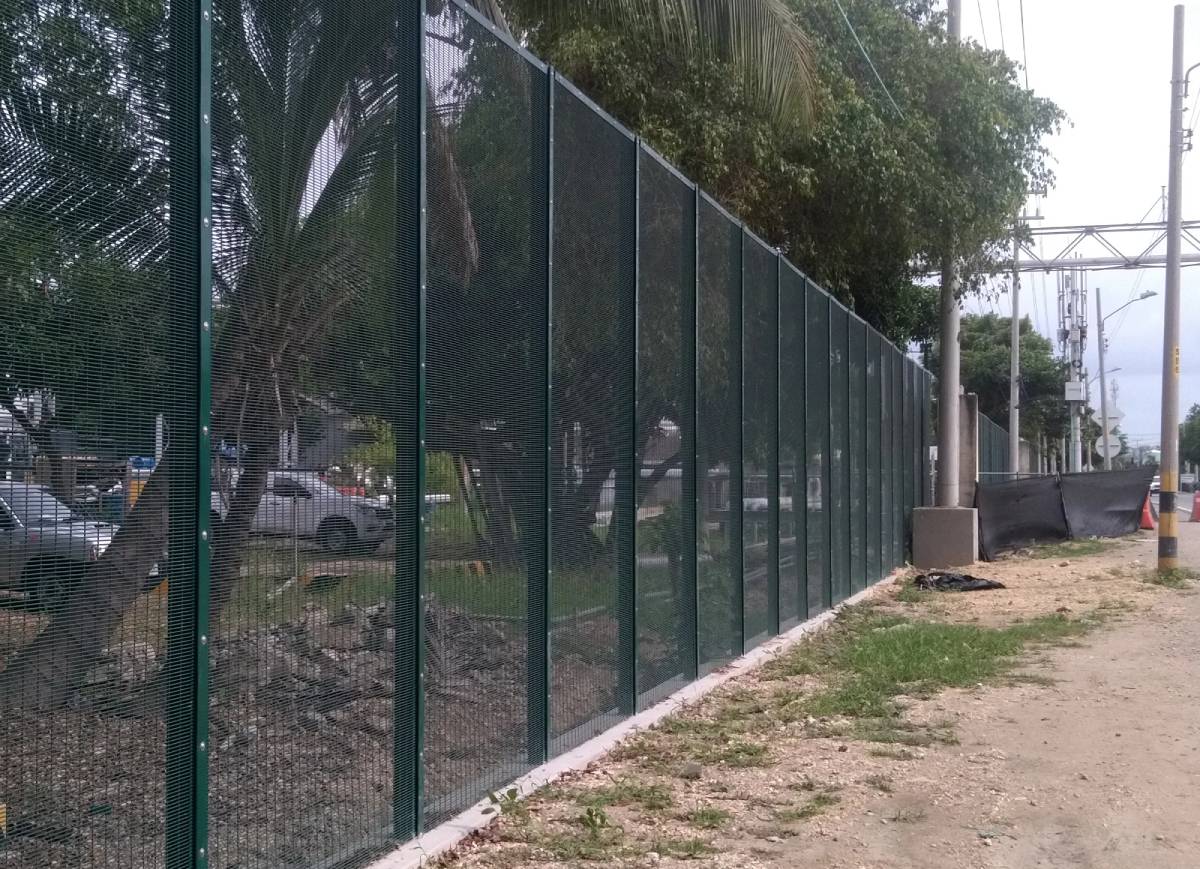
Anti-climb design and tested delay describe different aspects of protection. Anti climb fencing uses closely spaced mesh and carefully designed panel structures to reduce footholds and handholds while maintaining perimeter visibility.
ArmorMesh Level I uses tightly spaced mesh and tamper-resistant fastening to discourage intrusion while maintaining visibility. ArmorMesh Level II incorporates H-profile posts for added structural stability.
These features help define how the products work. Any specific delay requirement should also be checked against the relevant testing documentation. A practical approach is to identify the site’s security needs first, then select the product and evidence that meet them.
What is the difference between tested, certified, and compliant?
These words are often used together, but buyers should understand the evidence behind each one.
- Tested: A product has undergone an evaluation. The report explains the conditions and results.
- Certified: A certification body has assessed the product under a defined scheme.
- Compliant: A claim that specified requirements have been met, which should be supported by documentation.
LPCB certification includes testing, factory production-control assessment, and continuing audits. Current certification status can be checked through RedBook Live. Before selecting an anti climb fence supplier, procurement teams should review available certifications, technical documentation, product specifications, and evidence supporting security performance claims.
Testing to an ASTM standard does not automatically establish certification or approval by ASTM itself. Product wording should accurately reflect the evidence available.
How does intrusion detection support a rated fence?
Physical resistance helps slow an intrusion. Detection helps security teams recognize the attempt and begin responding. A fence intrusion detection system can strengthen this process by identifying disturbances along the perimeter and alerting security teams to investigate potential intrusion events.
Liminal-K uses MEMS-based sensors to detect disturbances associated with cutting, climbing, or impact. It can support camera verification through integration with surveillance platforms. Its configuration should suit the proposed fence and site conditions. Integrating a fence intrusion detection system with CCTV can help operators verify alarms and understand the location and nature of a detected disturbance.
FenSense takes an integrated approach, using MeshSense honeycomb fabric, RazorSense smart coils, and a Fence-PCB unit to detect and communicate intrusion events.
Detection performance and forced-entry resistance serve separate purposes. A coordinated design brings them together with alarm verification and an effective response plan.
What should you check before choosing a perimeter security fence?
Before approving a system, ask:
- Which threat are we addressing? Define the expected intrusion scenario.
- What does the project specification require? Identify the standard, edition, and performance level.
- What evidence supports the claim? Review the report or certificate.
- Does the proposed installation match the documented system? Check panels, posts, connections, and permitted variations. For anti climb fencing, also review mesh aperture, panel rigidity, and exposed structural components that could provide potential footholds.
- How will the whole perimeter perform? Include gates, transitions, detection, and response. Where electronic monitoring is required, confirm that the fence intrusion detection system is compatible with the selected fencing configuration and the site's security monitoring arrangements.
These questions help turn a product rating into a clear purchasing and installation decision. A well-planned perimeter security fencing solution should also account for site conditions, access points, surveillance requirements, and the long-term performance of the complete installation.
Choose perimeter fencing by matching the site’s risks to documented performance. Understand the standard, read the complete rating, and confirm that the proposed installation is covered by the supporting evidence.
Within the ArmorMesh range, Level IV addresses ASTM-based tested delay performance, while SR1 and SR2 provide options positioned around LPS 1175 certification. Detection systems can then support the wider security response.
A1 Americas’ published product information identifies ASTM F2781-15 testing for ArmorMesh Level IV and LPS 1175 certification for ArmorMesh SR1 and SR2. These documented performance claims give project teams a starting point for technical evaluation and product-specific evidence requests.
Other Relevant Posts
Continue exploring perimeter security fencing:
Find the Right Security Fence for Your Project
Share your project requirements with A1 Americas. Our team can help you review suitable systems and request the technical information needed for your specification.
Tell us your site type, location, required rating, and any specifications you are working with. View the A1 Americas product range to compare high-security fencing and intrusion detection solutions.