Anti-Scalable Fence vs Anti-Climb Fence: What's the Difference?
In almost every real-world spec sheet and sales conversation, an anti scalable fence and an anti climb fence are describing the same thing. The confusion isn't about two different products. It's about two industries that grew up using different words for the same engineering goal. Once you know where each term comes from, choosing between them stops being a vocabulary problem and becomes what it should have been from the start: a question about what your site actually needs to resist.
Anti-scalable fence and anti-climb security fence generally describe the same security objective: making a fence difficult to climb by minimizing footholds and handholds. However, the terms themselves do not define a particular mesh size, wire specification, security rating, or forced-entry performance.
Where the Anti-Scalable Fence and Anti-Climb Fence Terms Come From
"Non-scalable fence" and "anti scalable fence" show up most often in government, correctional, and detention specifications. The language traces back to facility design guides that describe perimeter barriers built specifically so a person "cannot gain a foothold or handhold" while attempting to climb, precise, formal language written for procurement documents.
"Anti climb fence" is the term the commercial security industry settled on for the same functional requirement, used by manufacturers, integrators, and consultants specifying fencing for data centers, utilities, warehouses, and residential communities. It's less formal, but it describes an identical outcome.
Where you'll sometimes see a real distinction drawn: some specifiers use an anti scale fence or non scalable fence label specifically for smooth or angled surfaces that eliminate grip, and reserve "anti-climb" for mesh or panel systems that remove footholds through tight aperture spacing rather than a slick surface.
In practice, this line gets crossed constantly in product literature; you'll find anti scalable fencing and anti climb fencing used on the same spec sheet to describe the same panel, and most buyers are better served asking about the engineering underneath the label than trying to pin down which word is technically correct. An anti scale fence can serve as a non scalable fence, while an anti climb high security fence is typically specified where stronger perimeter protection is required.
What an Anti Scale Security Fence Actually Has to Get Right
Whatever it's called on the spec sheet, a fence that genuinely resists scaling has to solve the same handful of engineering problems. This is the part worth spending your evaluation time on.
Mesh aperture
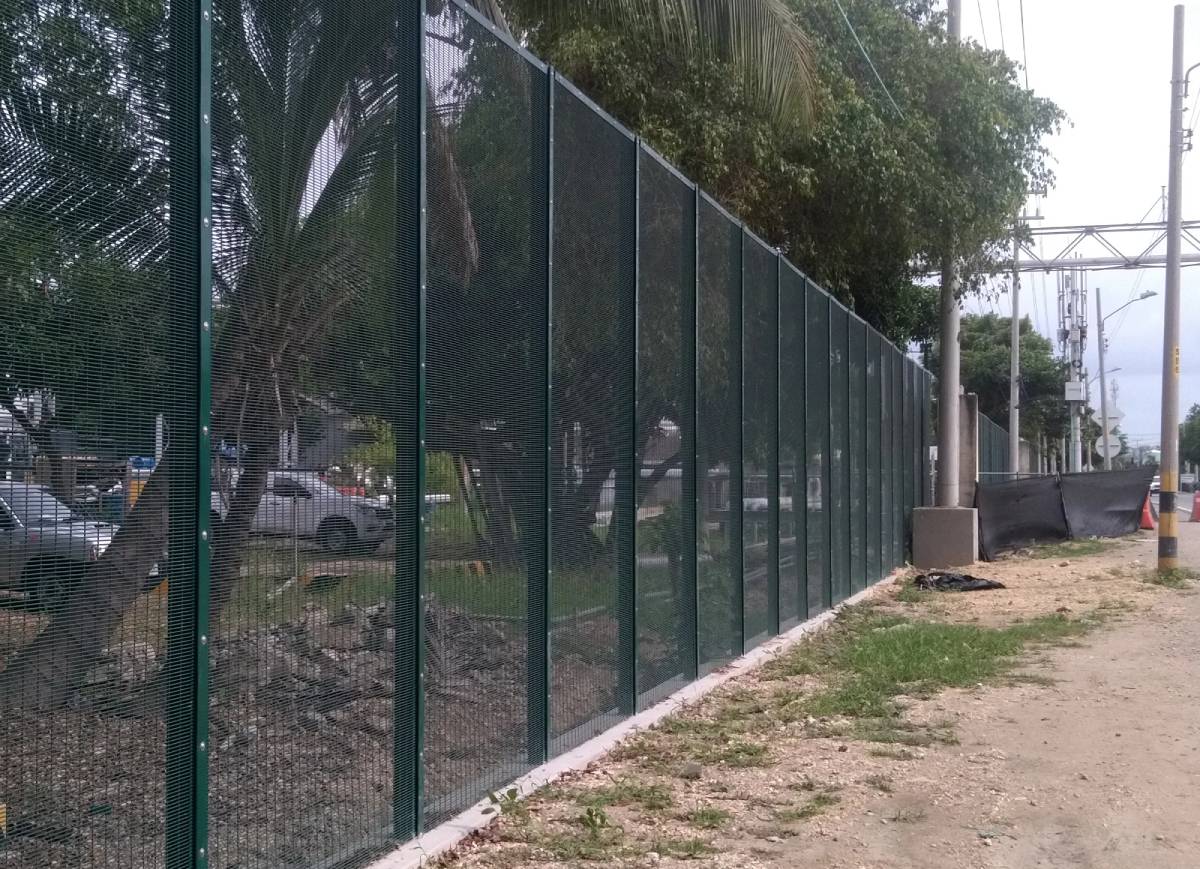
This is the single biggest factor and the one most often glossed over in marketing copy. A standard chain-link diamond is wide enough for a boot toe or a gripping hand. Anti climb mesh fence systems close that gap enough that neither works; ask for the actual aperture dimension in inches or millimeters, not just the word "tight."
Footholds and handholds
Beyond the mesh itself, look at everything else on the climbing face: horizontal rails, cross-bracing, sign brackets, hinge hardware. Any of these becomes a step if it's mounted where an attacker can reach it. Genuine anti climb security fence design keeps structural framing off the attack face entirely.
Panel rigidity
A fence that flexes under weight is easier to climb: it gives a climber something to push against and reduces the confidence needed to commit to the attempt. Welded (not woven) panel construction with reinforced posts keeps the surface rigid enough that climbing takes real physical effort rather than a boost and a pull.
Wire configuration
Horizontal-and-vertical welded grids behave differently than diagonal or twisted-wire patterns under load, and it affects both rigidity and cost. Twin-wire and reinforced welded configurations generally outperform single-strand woven mesh for anti-scale performance, which is part of why they show up more often in higher-tier product lines.
Anti-cut characteristics
Scaling resistance and cutting resistance are not the same property, and a lot of anti scalable fencing stops at the first without addressing the second. Heavier-gauge steel and tighter weld patterns add cutting resistance; if your site faces a tool-equipped threat, confirm both properties are engineered in, not just one.
Fence height
Mesh design without adequate height is a speed bump, not a barrier. Height requirements scale with risk; light-commercial applications typically call for less than what's specified for utilities, government facilities, or critical infrastructure.
Top protection
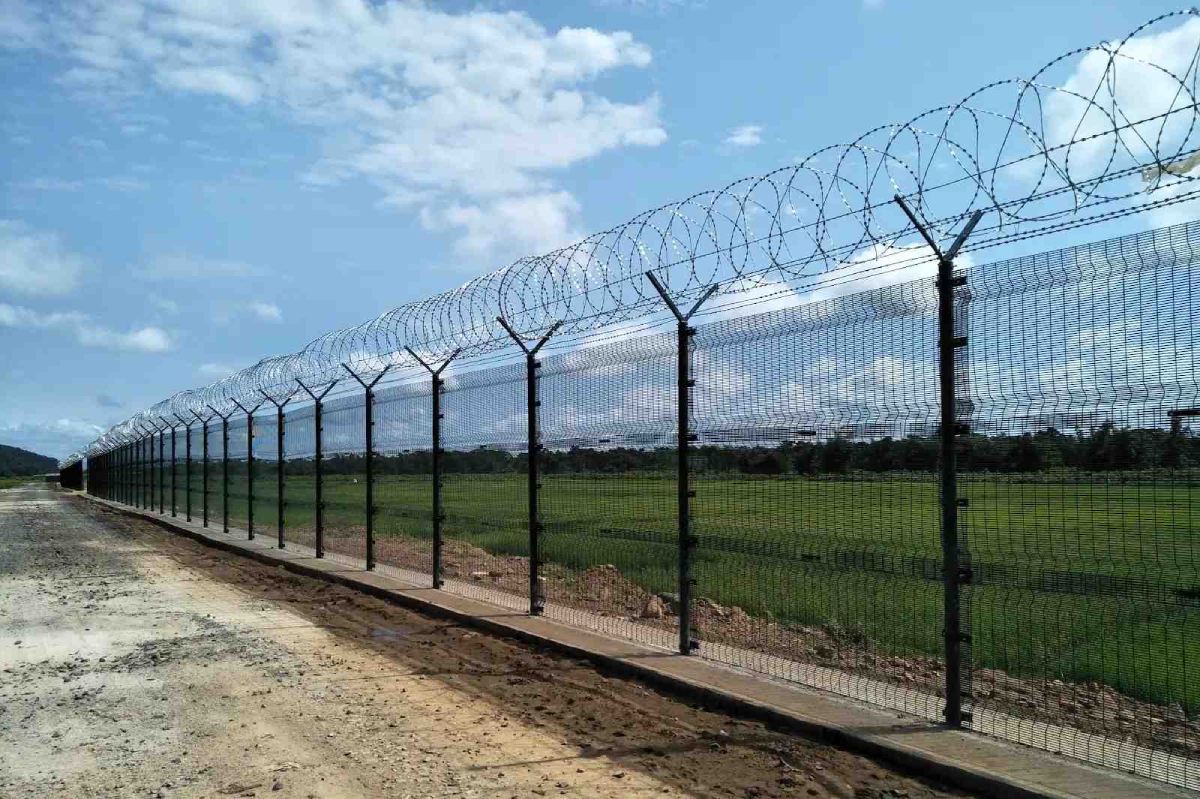
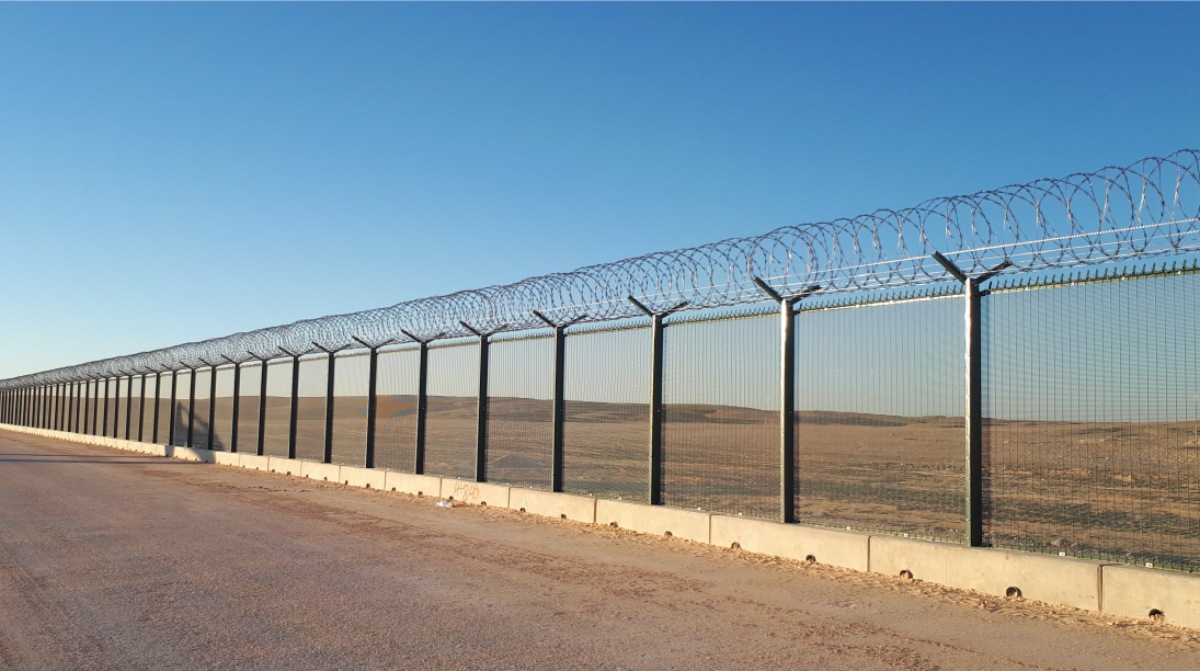
Razor wire, wall spikes, or angled outriggers at the top do a specific job: they turn "difficult to climb" into "difficult and risky to climb," which is often the deciding factor for an opportunistic attempt. For sites facing a genuinely determined threat, height and mesh design alone usually aren't the full answer.
Visibility for CCTV
It's easy to over-engineer a fence into a solid wall and lose the one thing that makes physical security work as a system: sightlines. An open mesh pattern that blocks footholds while staying visually transparent lets cameras and patrol staff actually see an attempt in progress, rather than just slowing it down blind.
A properly engineered anti scale security fence should combine appropriate mesh spacing, structural rigidity, height, and deterrents, while anti climb fencing supports visibility and layered perimeter protection.
When Standard Anti-Climb Mesh Is the Right Call
Not every site needs to solve for a tool-equipped, determined adversary, and specifying beyond actual risk just adds cost without adding real protection. For residential communities, light-commercial properties, and sites where the goal is clear property definition and deterrence against opportunistic entry, a well-built anti climb mesh fence with tight aperture, rigid welded construction, and standard height covers the requirement without paying for delay-rating you don't need. For higher-risk locations, an anti climb high security fence or anti scalable fence may provide additional deterrence where standard anti-climb mesh does not meet site requirements.
When You Need a Higher-Security Configuration
Utilities, transportation infrastructure, data centers, and critical facilities are a different risk category. Here, the fence needs to combine climb resistance with cut resistance, sufficient height, and top protection, and in the highest-risk cases, verified performance against a recognized test standard rather than a manufacturer's claim of being a high security anti climb fence.
This is where A1 Americas' ArmorMesh line is worth looking at as a real-world illustration of how these requirements stack, not as a sales pitch. A1 ArmorMesh Level I is built around the foundational anti-climb requirement: tightly spaced welded mesh that removes footholds and grip points while keeping the panel open enough for clear camera sightlines, which is the right tier for residential and light-commercial sites.
A1 ArmorMesh Level II adds the cutting-resistance layer on top of that, combining reinforced welded mesh with tamper-resistant fasteners for sites where both climbing and cutting are realistic threats; utilities, transportation hubs, and industrial facilities typically land here. And for critical infrastructure and high-risk sites where a documented delay rating matters more than a claim, A1 ArmorMesh Level IV is tested to ASTM F2781-15, the standard used to verify intrusion delay against aggressive attack methods the kind of anti-climb high-security fence a security consultant can actually cite in a report rather than take a manufacturer's word for.
The pattern holds regardless of which manufacturer you're evaluating: the right anti scalable fence isn't the one with the most aggressive marketing language; it's the one whose engineering mesh, rigidity, cut resistance, height, and topper actually match what your site is exposed to.
Frequently Asked Questions
Is an anti-scalable fence the same as an anti-climb fence?
Functionally, yes, in the vast majority of real specifications. "Anti-scalable" and "non-scalable fence" are terms rooted more in government and correctional facility design language, while "anti-climb fence" is the term used more broadly across commercial and industrial security. Both describe fencing engineered to eliminate footholds and handholds.
What makes a fence non-scalable?
Three things working together: mesh apertures too small to grip or insert a boot into, a rigid panel structure with no exposed horizontal framing on the attack face, and enough height, usually paired with top protection like razor wire or spikes, that even a determined attempt takes long enough to fail or get noticed.
Does an anti-scale security fence also need to be anti-cut?
Not automatically. They're separate engineering properties: scaling resistance comes from mesh aperture and rigidity, while cutting resistance comes from wire gauge and weld pattern. A site facing a tool-equipped attacker needs both specified explicitly, not just one.
What height is required for a high security anti climb fence?
It depends on the threat level and any governing specification for the facility type, but higher-security applications consistently call for greater height than standard commercial fencing, generally paired with top protection rather than height alone.
Can anti-climb mesh still allow clear CCTV visibility?
Yes. That's actually a design requirement, not a trade-off you have to accept. Open welded mesh patterns can close the apertures enough to remove footholds while staying visually transparent, which is exactly what lets cameras and patrol staff see an attempted breach as it happens rather than being blocked by a solid barrier.
A1 Americas designs and manufactures anti-climb and anti-scale fencing systems in Houston, Texas, for projects across the United States. Let's work together to specify the right configuration for your site.